
The Significance of Nataraja: Shiva as the Cosmic Dancer
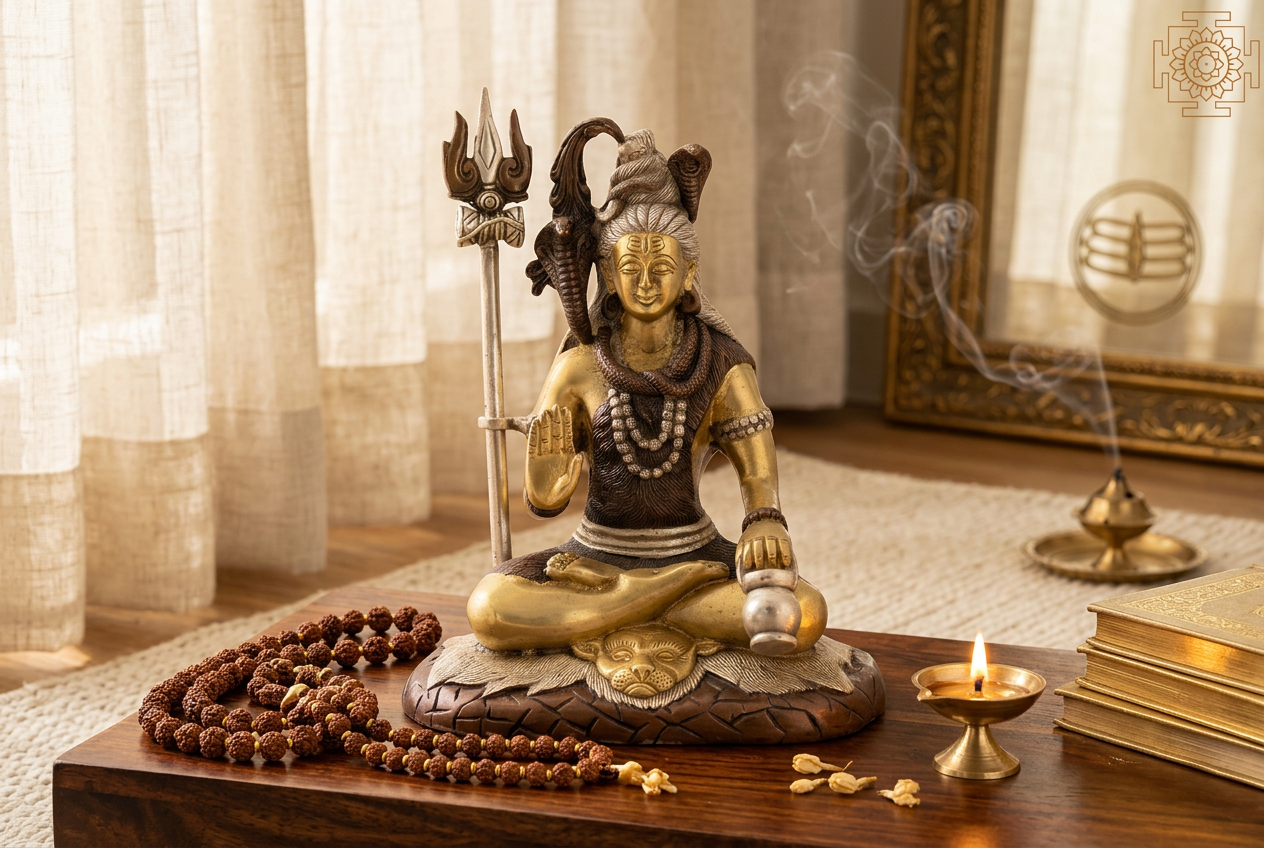
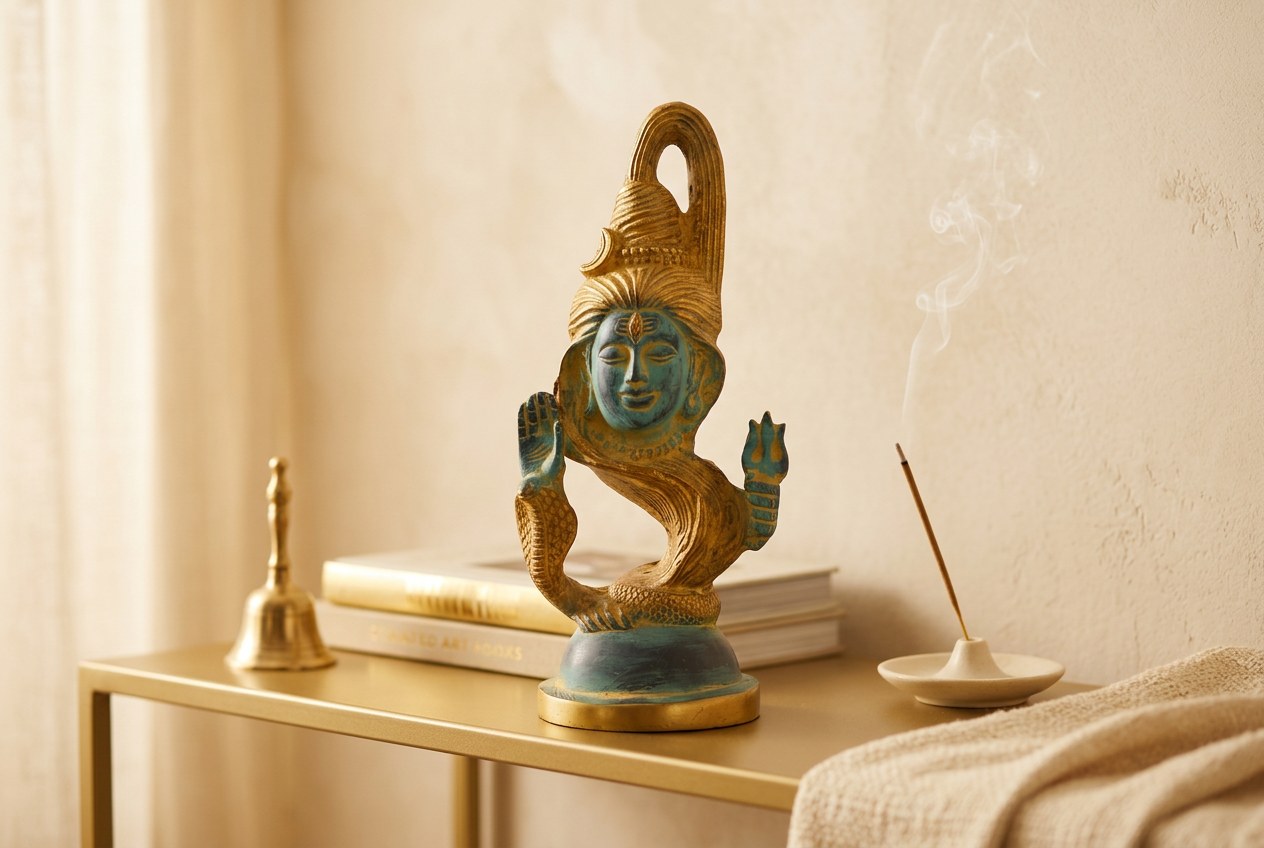
Understanding Nataraja: Shiva's Dance of Creation and Destruction
The nataraja statue represents one of Hinduism's most profound theological concepts, capturing Shiva in his role as the cosmic dancer whose movements create, sustain, and destroy the universe. A dancing Shiva brass statue embodies this eternal rhythm in physical form, making it far more than decorative art. When you bring a nataraja statue into your home, you're inviting the symbolic energy of cosmic balance and transformation. The figure typically depicts Shiva performing the Tandava, a vigorous dance that symbolizes the cycle of birth, death, and rebirth that governs all existence.
The Symbolism Behind Each Element of Nataraja
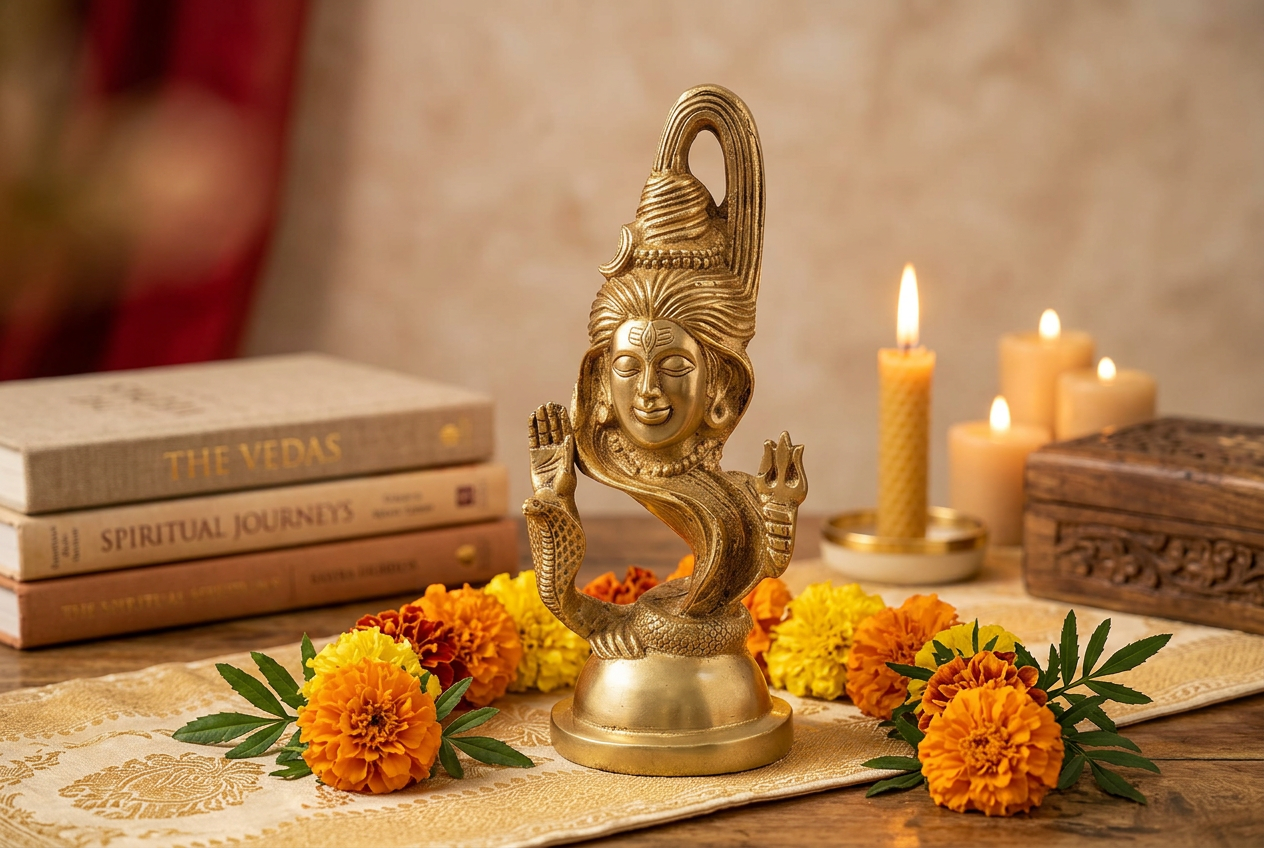
Every component of a nataraja sculpture carries specific meaning rooted in ancient Hindu philosophy. The four arms represent different aspects of divine power: the upper right hand holds a drum (damaru) that creates sound and rhythm, symbolizing creation. The upper left hand holds fire (agni), representing destruction and transformation. The lower right hand is raised in a gesture of blessing and protection, while the lower left points toward the dancer's raised foot, showing liberation from ignorance.
The raised leg indicates the ego that must be transcended, while the lower leg grounds the dancer to earth and stability. Shiva's third eye, typically depicted on his forehead, represents inner wisdom and all-seeing consciousness. The crescent moon in his matted hair symbolizes the rhythm of time, and the serpents coiled around his body represent kundalini energy and the cycle of life. Understanding these symbols deepens your appreciation of why collectors and spiritual practitioners value Brass Shiva Statues as objects of meditation and contemplation.
Choosing the Right Size and Placement for Your Nataraja Statue
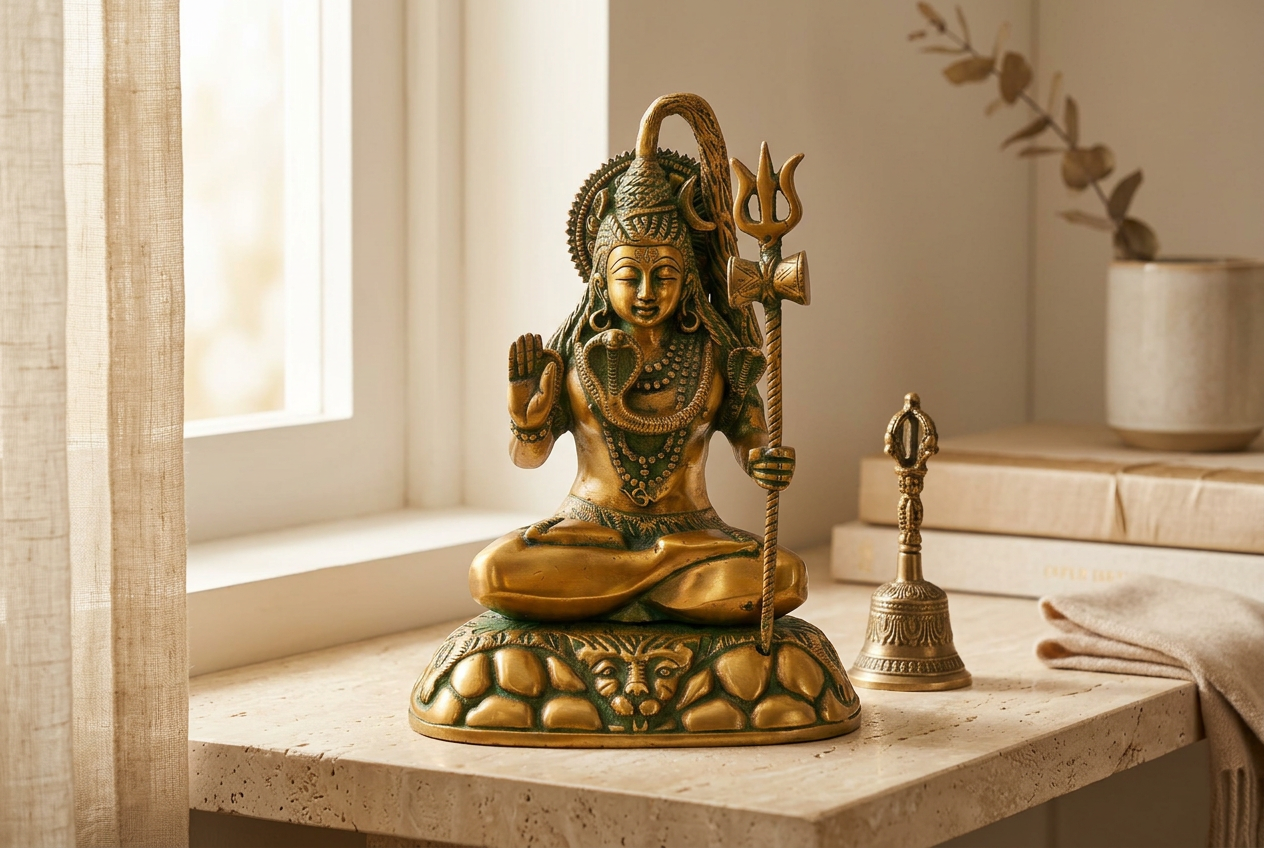
Nataraja statues come in various sizes, from small 4-inch pieces suitable for personal altars and shelves to striking 24-inch centerpieces that command attention in larger rooms. Consider your space carefully: a 6 to 8-inch statue works beautifully on a meditation altar or bedroom shelf, while 12 to 18-inch versions suit living rooms and dedicated prayer spaces. The hollow cast construction of our Brass Statues collection makes these larger pieces surprisingly manageable, without the weight of metal.
Placement matters spiritually and aesthetically. Traditionally, Nataraja faces east in Hindu homes, though any prominent, respectful location works. Avoid placing the statue in bathrooms or bedrooms where the energy is considered inappropriate for divine imagery. A corner altar, shelf above eye level, or a dedicated meditation space ensures the statue receives the reverence it deserves while remaining visible as a focal point for spiritual practice or artistic appreciation.
The Spiritual Practice of Nataraja Contemplation
Many devotees use nataraja statues as focal points for meditation and prayer. The figure's dynamic motion, frozen in brass, paradoxically conveys stillness and movement simultaneously, reflecting the Hindu concept that the divine encompasses all opposites. When meditating with a nataraja statue, practitioners often contemplate the eternal cycle it represents: how destruction enables creation, how silence contains infinite sound, and how stillness underlies all motion.
The significance of nataraja extends beyond religious boundaries. Artists, dancers, and philosophers have long studied Nataraja as a model of perfect form and movement. Ballerinas and classical Indian dancers sometimes keep nataraja statues in their studios as reminders of the spiritual dimension of their art. The statue serves as both a teaching tool and an inspiration for understanding how physical movement can express transcendent truth.
Care and Maintenance of Your Brass Nataraja Statue
Brass nataraja statues develop a natural patina over time that many collectors treasure. To preserve your statue's appearance, dust it gently with a soft, dry cloth weekly. For deeper cleaning, use a brass polishing cloth or a paste made from lemon juice and salt, applied gently and rubbed in the direction of the grain. Avoid abrasive sponges or harsh chemical cleaners that can damage the patina or the fine detailing characteristic of handcrafted pieces.
Store your statue away from direct sunlight, high humidity, and extreme temperature fluctuations. A shelf indoors, away from damp areas, keeps it in excellent condition for decades. If you notice spots of discoloration, wipe them immediately with a dry cloth. Periodically applying a thin coat of furniture wax helps prevent oxidation and maintains the warm glow that makes brass such an appealing material for sacred sculpture.
Nataraja Statues as Meaningful Gifts
A nataraja statue makes a profound gift for yoga practitioners, dancers, meditation enthusiasts, and anyone drawn to Hindu philosophy or Indian art. The statue conveys respect and spiritual intention without being preachy or imposing. When gifting a nataraja piece, consider the recipient's spiritual practice and available space. A smaller statue (4 to 8 inches) suits apartment dwellers and those new to collecting, while serious practitioners and collectors often appreciate larger statement pieces.
Include a brief note explaining the significance of nataraja and perhaps a favorite quote about dance, creation, or spiritual transformation. Handcrafted brass statues age beautifully and become family heirlooms, making them gifts that last generations. Whether purchased for personal spiritual practice, as a thoughtful present, or as an investment in functional art, a nataraja statue enriches any space with both aesthetic beauty and profound symbolic meaning.
Explore more: Brass Shiva Statues, Brass Statues.