
Blogs
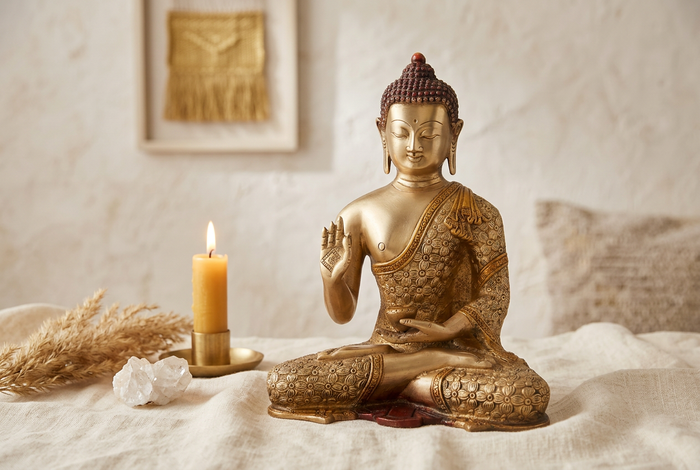
Buddha Statue for Home: Meaning, Mudras and Placement
Learn how a Buddha statue transforms your home with spiritual meaning, discover the significance of mudras, and find the perfect placement for lasting peace.
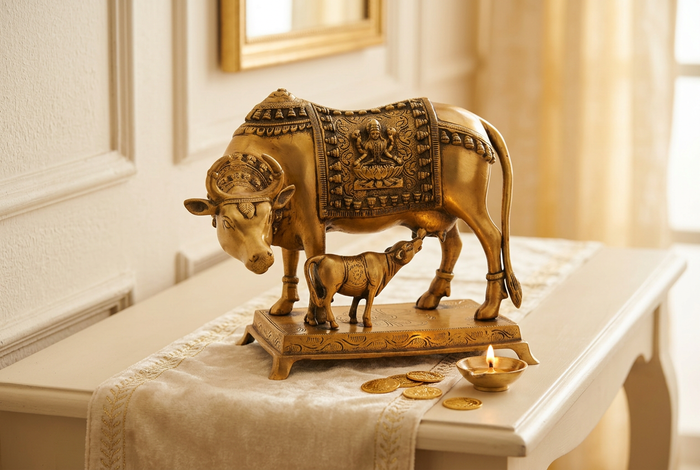
Lakshmi Statue for Wealth and Prosperity: A Complete Guide
Discover how to choose, place, and honor a Lakshmi statue in your home to attract wealth, prosperity, and spiritual blessings with this complete guide.
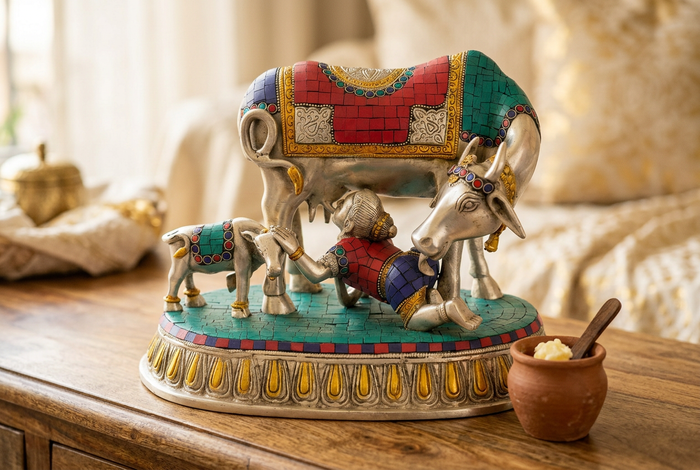
Krishna Statue: Meaning, Forms and Where to Place It
Discover the spiritual significance of Krishna statues, different forms, placement guidance, and care tips for your brass idol. Perfect for home altars and meaningful...
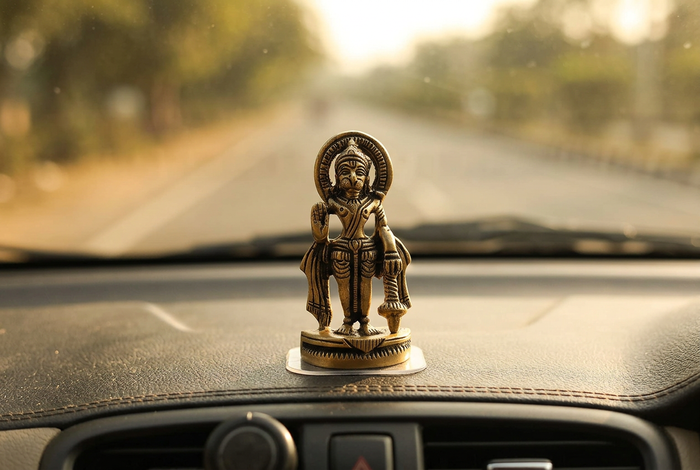
Small Brass Idols for Car Dashboard and Travel
A small brass idol for your car dashboard brings spiritual intention and safer driving practices to your daily commute. Choose from protective deities like...
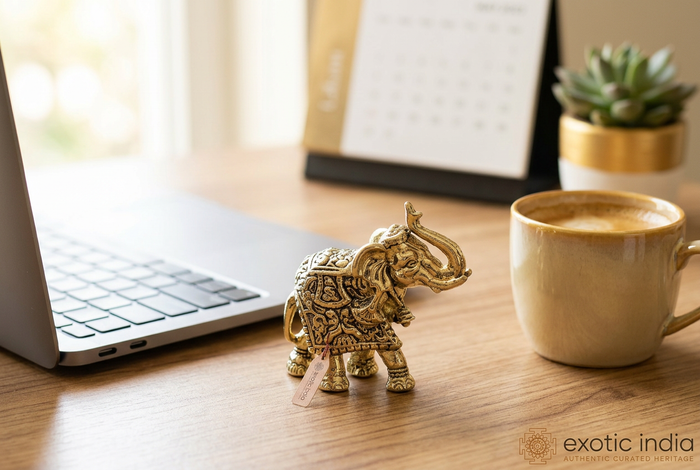
Best Brass Statues for Your Office and Work Desk
Discover the best brass statues for your office desk, including Ganesha figures. Learn sizing, placement, care, and how meaningful metalwork enhances your workspace.
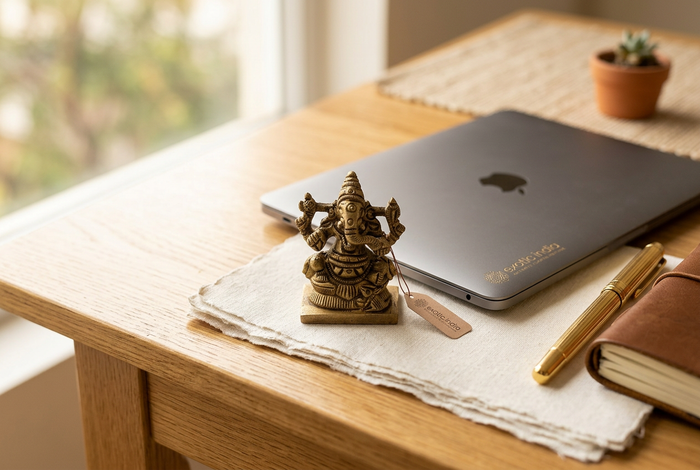
Buy a Ganesha Statue Online: A Complete Buyer's Guide
Learn how to buy a ganesha statue online with our complete guide covering materials, sizes, symbolism, care, and gifting tips for spiritual seekers and...
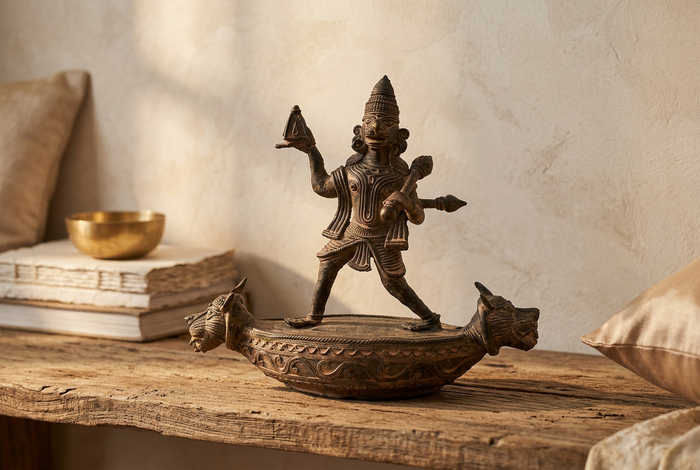
Hanuman Statue: Meaning, Symbolism and Where to Keep It
A Hanuman statue symbolizes devotion, courage and protection. Discover where to keep your idol, meaningful placements in the home, and how to care for...
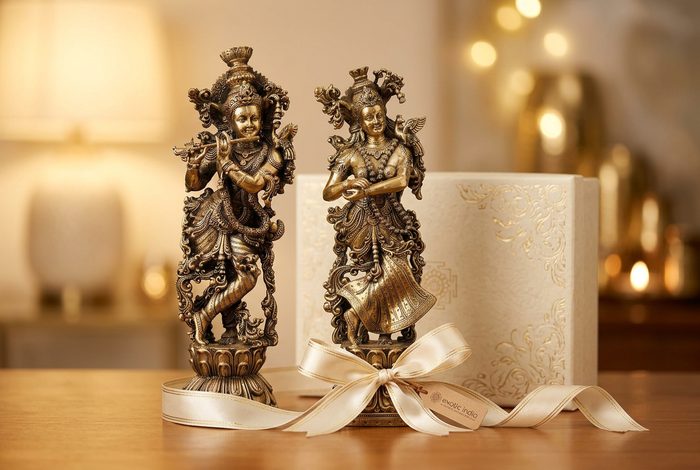
Best Brass Statue Gifts for Housewarming and Weddings
Discover why brass statues make perfect housewarming and wedding gifts. From Lakshmi figures symbolizing prosperity to paired sculptures celebrating union, handcrafted brass pieces endure...
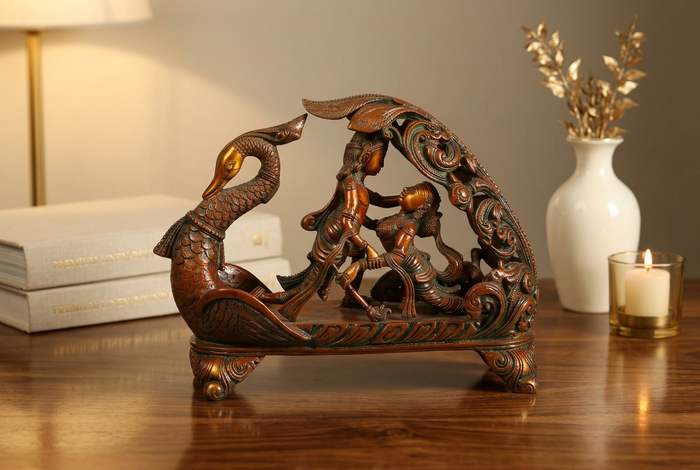
Lost-Wax Brass Casting: How Our Statues Are Made by Hand
Lost-wax brass casting is an ancient, labor-intensive technique that creates hollow cast statues of extraordinary detail. Learn how our artisans hand-craft each piece from...
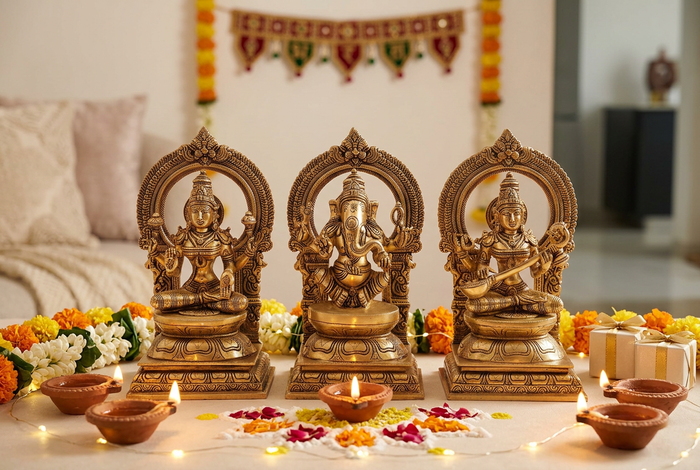
Lakshmi and Ganesha for Diwali: Meaning, Puja and Placement
Explore the sacred symbolism of Lakshmi and Ganesha for Diwali. Learn proper placement, puja rituals, and how these brass statues invite prosperity and remove...
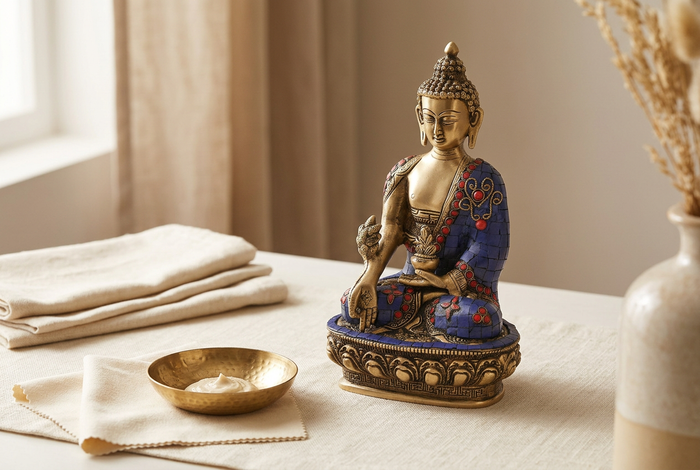
How to Clean and Maintain Brass Statues So They Last Generations
Learn the gentle techniques to clean and maintain brass statues so they remain brilliant and protected for generations. Discover dry and wet cleaning methods,...
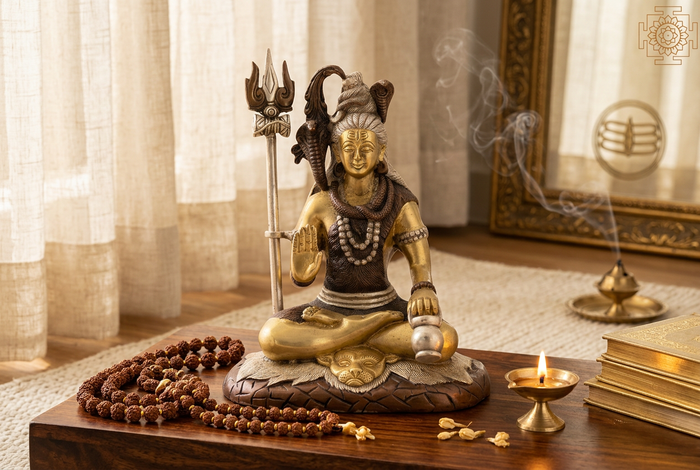
The Significance of Nataraja: Shiva as the Cosmic Dancer
The nataraja statue represents Shiva as the cosmic dancer, symbolizing creation, destruction, and rebirth. This dancing Shiva brass statue serves as both spiritual focal...
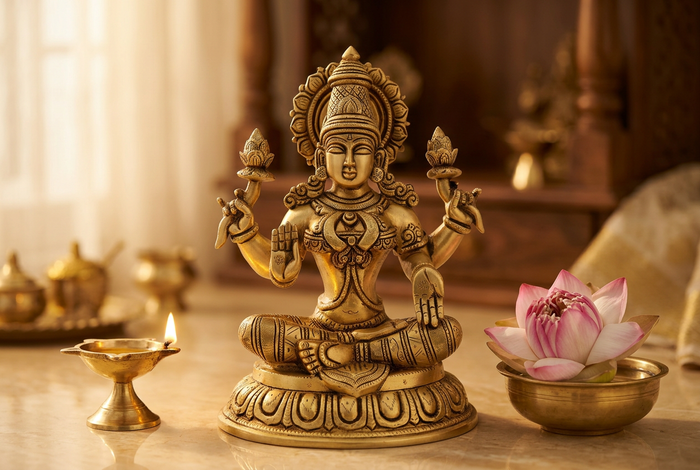
Vastu Guide: Where to Place Each Deity Statue and Which Direction
Learn vastu principles for placing deity statues at home. Discover the best directions for Ganesha, Lakshmi, and other deities to maximize blessings and positive...
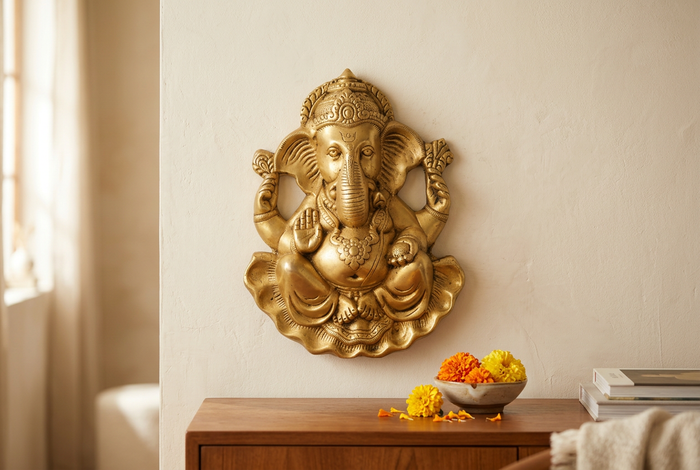
How to Choose the Right Brass Ganesha Statue for Your Home
Select a brass ganesha statue that fits your space, style, and spiritual needs. Learn sizing, placement, symbolism, and care for this sacred sculpture.
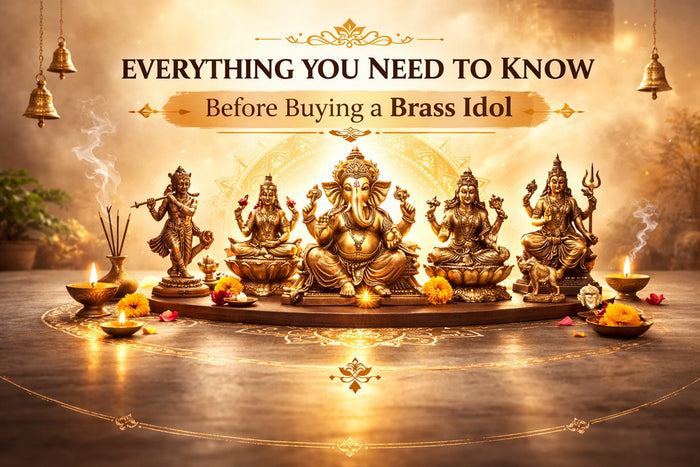
Everything You Need to Know Before Buying a Brass Idol
Buying a brass idol requires understanding metal quality, casting method, size, finish, and ritual suitability. Brass, a durable copper–zinc alloy is widely used for...
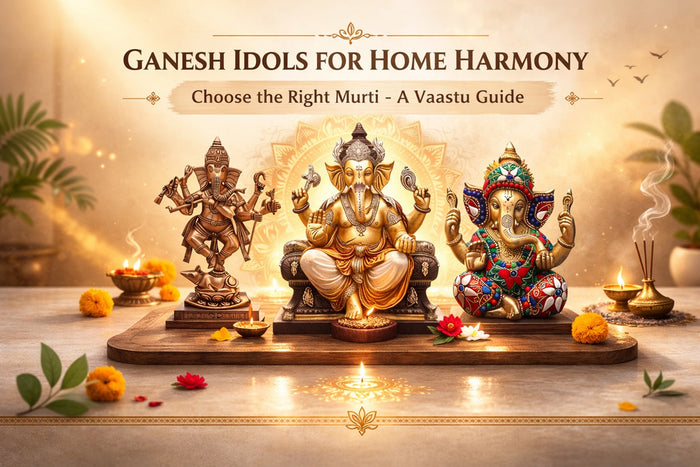
Which Type of Ganesha Idol is Good for Home?
Which type of Ganesha idol is good for home? The best Ganesha idol depends on your intention, space, and traditional vastu guidance. Seated Ganesha...
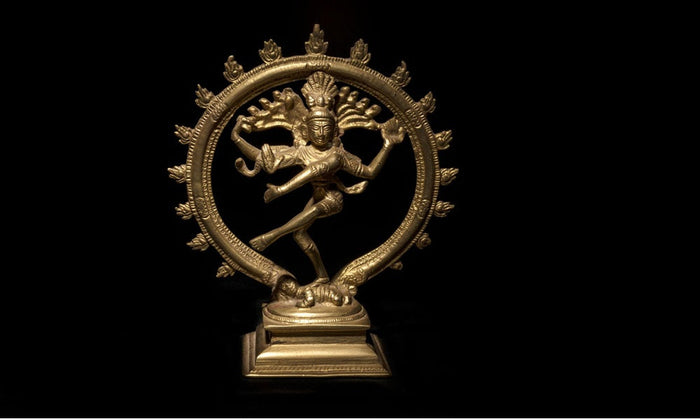
Shiva Idols for Home: Sacred Forms of Mahadev for Puja and Blessings
Shiva idols for home are sacred representations of Mahadev worshipped for peace, protection, and spiritual balance. Popular forms like Nataraja, Shiva Parivar, and Shivling...
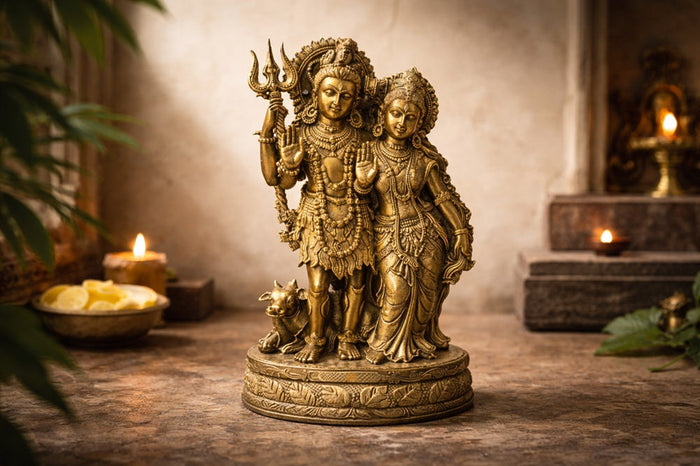
How to Maintain Brass Statues at Home: Cleaning, Care, and Time-Tested Methods
Cleaning and maintaining brass idols at home requires gentle, informed care rather than harsh polishing. Brass, a copper–zinc alloy, naturally tarnishes due to air,...
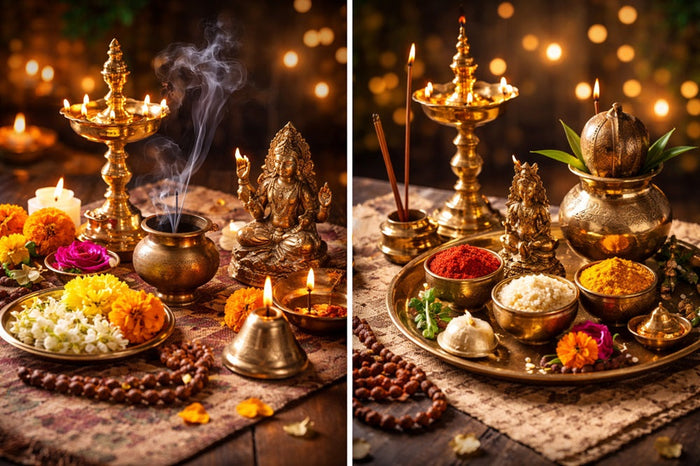
Brass Ritual Items: Meaning, Uses, Care and How to Choose
Brass ritual items are traditional objects used in daily puja and temple worship across Indian households. Valued for their durability, heat resistance, and ease...
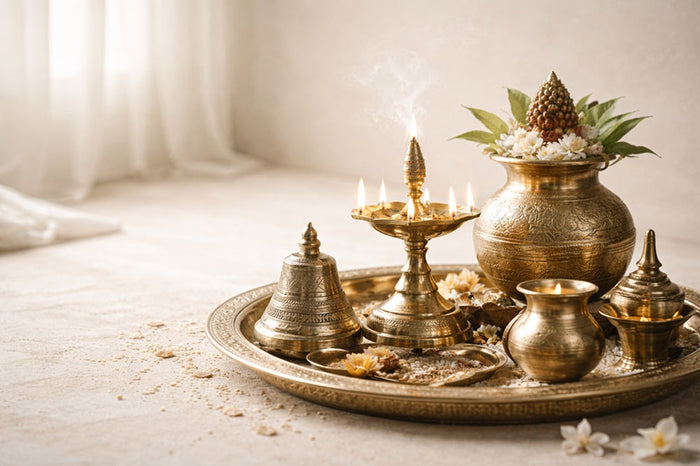
Why Brass has been the Metal of Choice for Indian Ritual Items across Centuries?
Brass has been used for Indian ritual objects for centuries because it is durable, affordable, easy to clean, and well suited to daily worship....
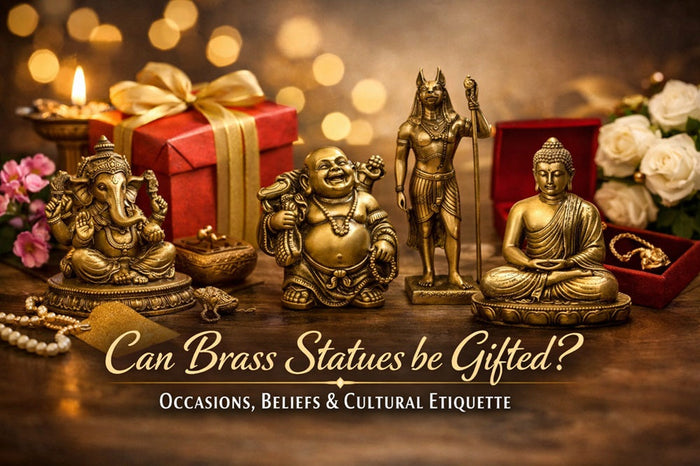
Can Brass Statues be Gifted? Occasions, Beliefs, and Cultural Etiquette
Can brass statues be gifted? Yes. Brass statues are widely gifted in Indian culture on auspicious occasions such as housewarmings, weddings, festivals, and personal...
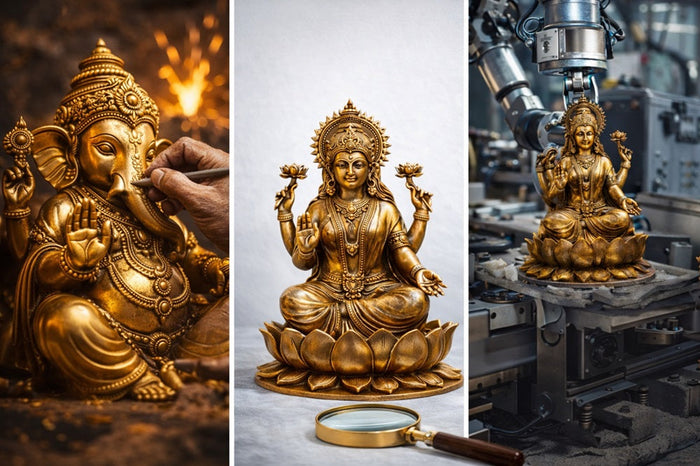
How to Identify an Authentic Handmade Brass Statue (And Avoid Machine Made Imitations)
An authentic handmade brass statue is identified by its casting method, weight, finish, and detailing rather than surface shine. Handmade brass statues are traditionally...
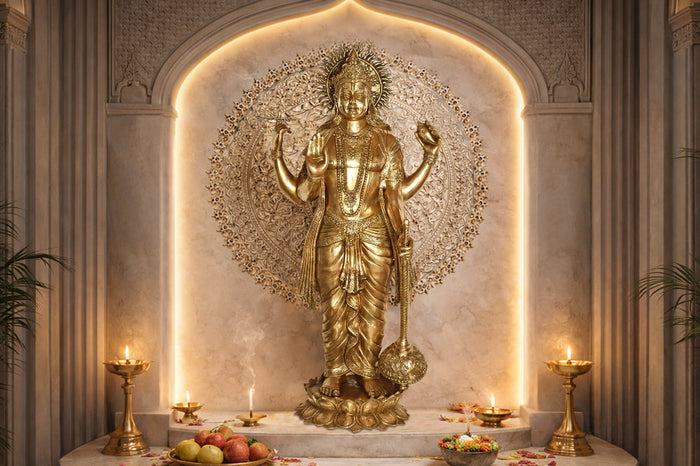
Indian Brass Statues: Devotion and Aesthetics Blending in Metal
Indian brass statues are handcrafted metal artworks traditionally used in homes, temples, and decor for their cultural, religious, and artistic value. Made using the...
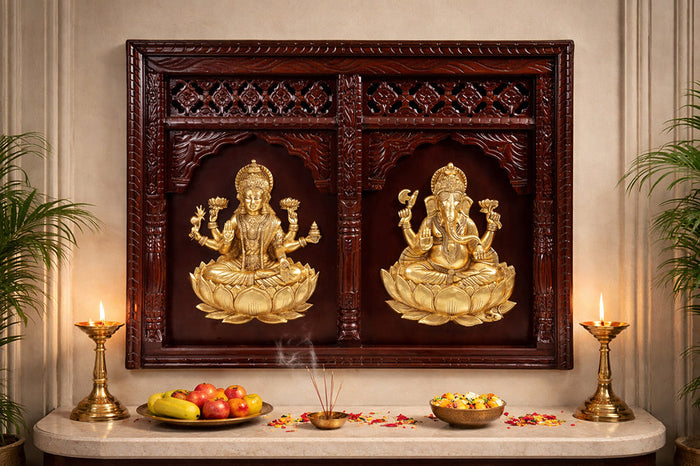
Brass vs Bronze Statues: A Complete Collector’s Guide to History, Craft, Durability, and Choice
Brass vs bronze statues differ in composition, purpose, and tradition within Indian sacred art. Brass, made from copper and zinc, is widely used for...