
Lost-Wax Brass Casting: How Our Statues Are Made by Hand
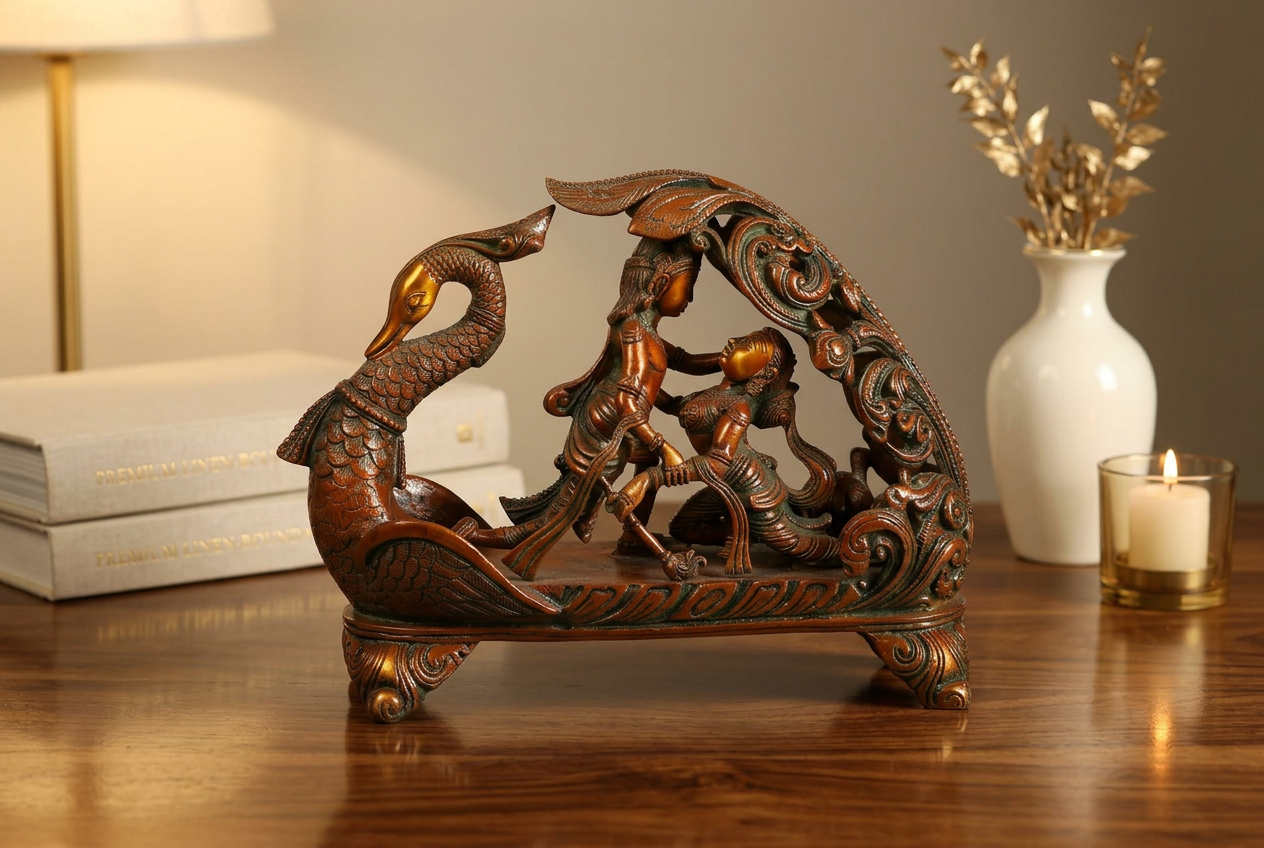
Understanding Lost-Wax Brass Casting
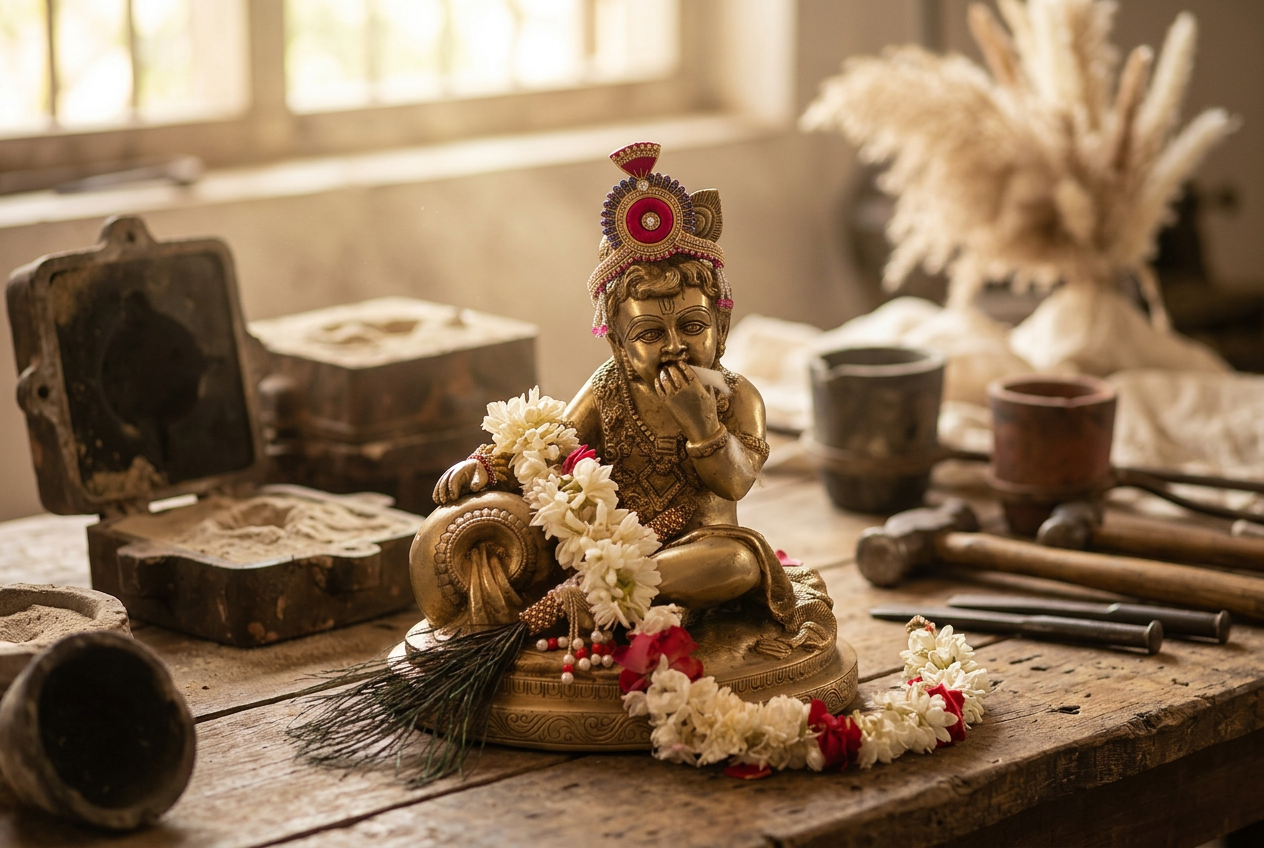
Lost-wax brass casting is one of the oldest metalworking techniques known to humankind, dating back thousands of years. At Exotic India, we use this time-honored method to create every handmade brass idol in our collection. The process begins with an artist sculpting a detailed model in wax, which serves as the original design template. This wax model is then surrounded by layers of ceramic material, forming a mold. When heated, the wax melts and drains away, hence the name "lost-wax", leaving a hollow cavity that perfectly captures every detail of the original sculpture. Molten brass is then poured into this cavity, and once cooled, the ceramic shell is broken away to reveal the final brass statue.
The Artisan's Journey: From Concept to Creation
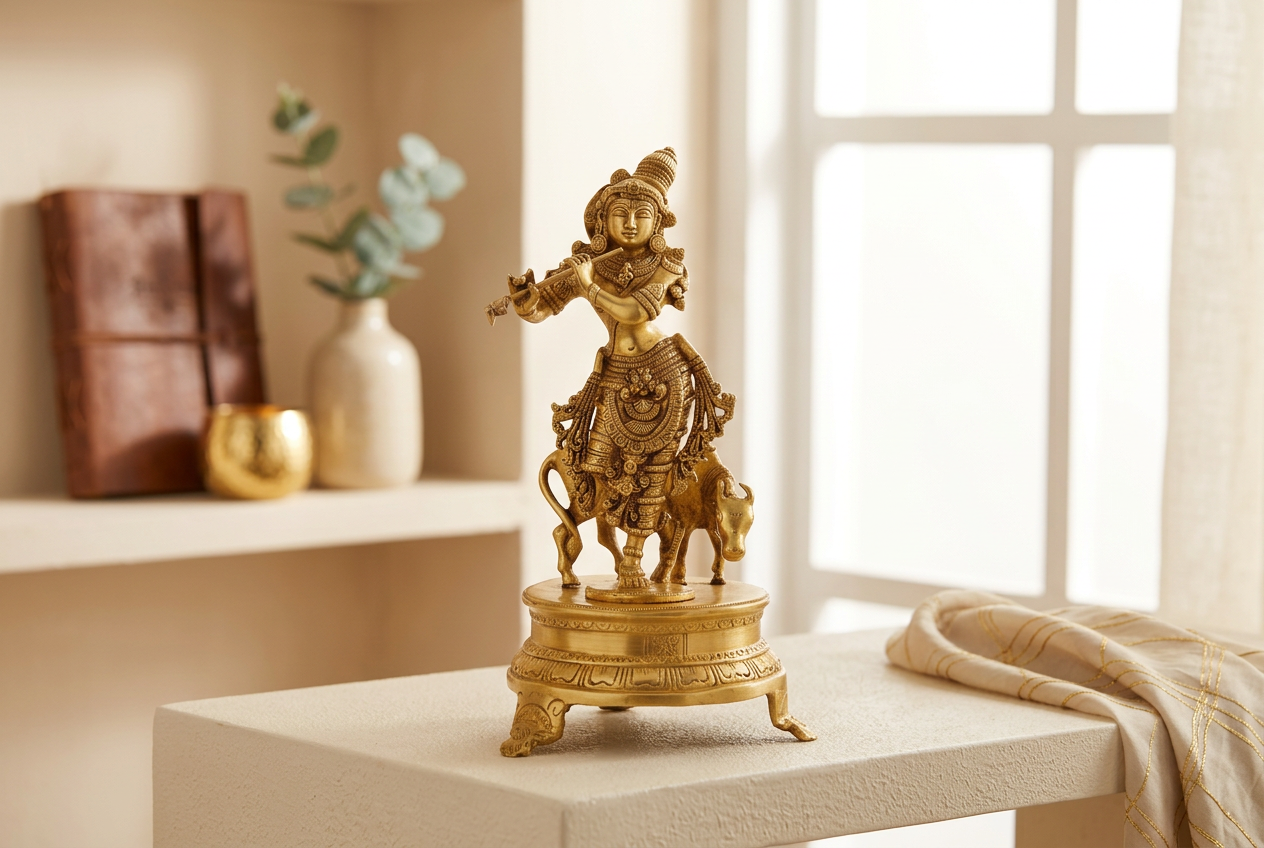
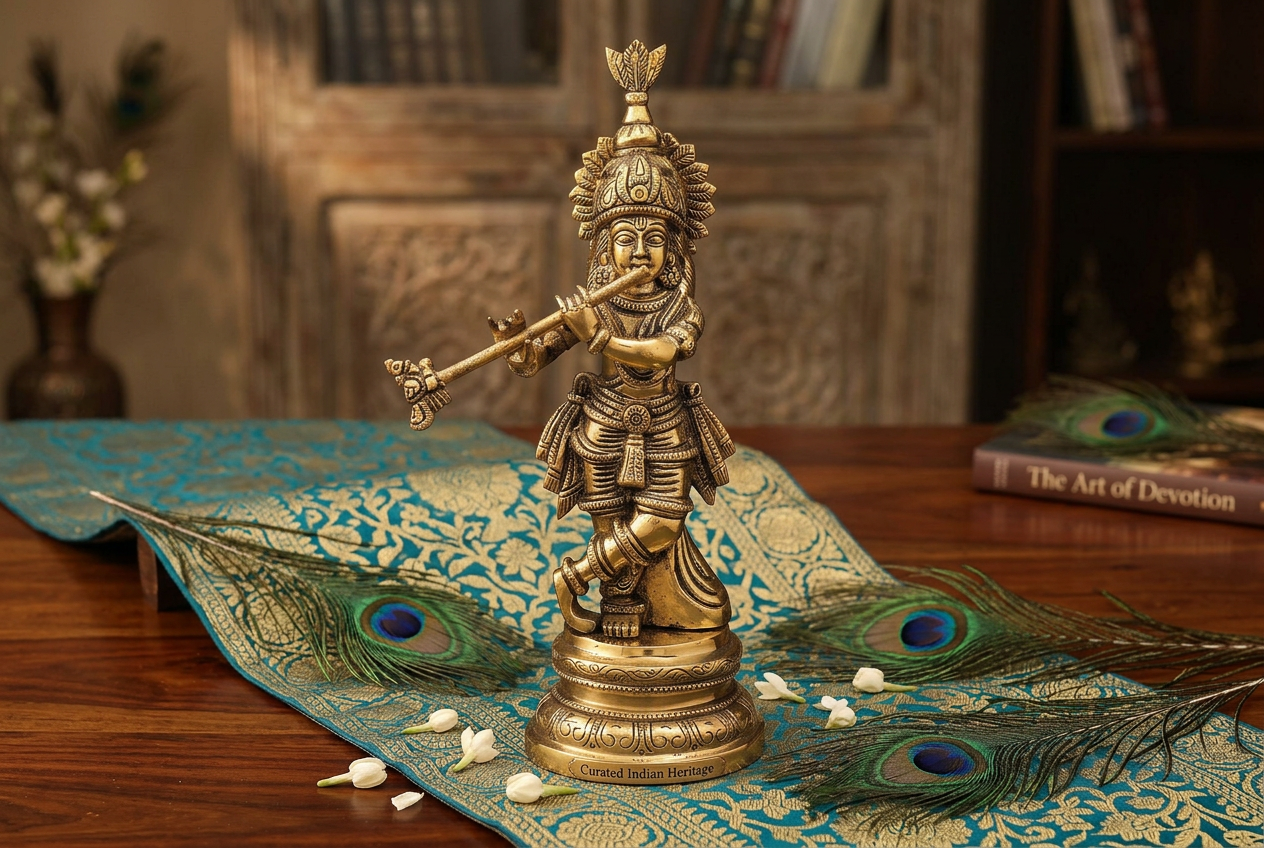
Creating a handmade brass idol requires exceptional skill and patience. Our artisans begin by hand-sculpting a wax model, often drawing from classical Indian iconography and contemporary interpretations. They pay meticulous attention to proportions, facial expressions, and the subtle details that bring spiritual significance to each piece. For Brass Krishna Statues, for instance, artisans carefully render Krishna's characteristic posture, the flute held to his lips, and the intricate jewelry that adorns him. Each wax model is unique, ensuring that no two castings are entirely identical. This human element is what distinguishes handmade work from industrial mass production.
Preparing the Ceramic Shell Mold
Once the wax sculpture is complete, it is attached to a wax rod structure called a "tree." Multiple wax models can be attached to a single tree, improving efficiency. The tree is then dipped repeatedly into ceramic slurry and fine sand, building up layers that form an increasingly thick ceramic shell. This layering process is crucial, each layer must dry completely before the next is applied. The resulting shell is sturdy enough to withstand the heat and pressure of molten metal while being thick enough to capture fine surface details. After sufficient layers have been built, the assembled tree is placed in a kiln and heated to approximately 1200 degrees Celsius. The wax melts and burns away, leaving behind a hollow ceramic cavity that mirrors the original sculpture exactly.
The Pour: Transforming Brass into Art
The molten brass is heated to around 1100 degrees Celsius before being poured into the ceramic cavity. This critical step demands both precision and experience. Artisans must work quickly and carefully to ensure the molten metal fills every part of the mold, including the finest details. Air pockets or incomplete fills would result in flaws that compromise the finished piece. The skill involved in pouring is learned through years of hands-on training, there is no shortcut. Once the brass has cooled sufficiently, the ceramic shell is carefully broken away, revealing the raw cast brass statue inside. This newly cast piece still requires significant finishing work before it becomes the polished Brass Statues you see in our gallery.
Finishing and Refinement Work
After the ceramic shell is removed, the cast brass statue bears the marks of its creation, rough edges, seams from the mold, and any imperfections. Artisans use hand tools, files, chisels, and sandpaper to refine the surface, smooth transitions, and remove casting marks. They hand-carve additional details and ensure that facial features, drapery folds, and decorative elements are crisp and clear. This finishing phase often takes as long as the initial casting, underscoring the true labor intensity of handmade work. The patina, the color and texture of the brass, is then developed through controlled oxidation or applied chemical treatments. Some pieces receive a warm, natural honey-gold tone, while others are given a darker, aged appearance. Each choice reflects both aesthetic preference and the traditional finish appropriate to the subject matter.
Why Lost-Wax Casting Produces Superior Statues
This ancient technique endures because it offers unmatched precision and artistry. Unlike mold-based casting methods, lost-wax casting creates a unique mold for each piece, capturing the finest details of the artist's original vision. The hollow nature of cast statues makes them lighter and more economical to produce than solid pieces, without sacrificing presence or spiritual weight. The method also allows for complex forms and delicate appendages, think of Krishna's flute or the flowing robes of a deity, that would be impossible to achieve with other metalworking techniques. Each handmade brass idol carries within it the intention, skill, and years of accumulated knowledge of the artisan who created it.
Caring for Your Cast Brass Pieces
Because your statue was created by hand using traditional methods, it deserves thoughtful care. Dust regularly with a soft, dry cloth. For deeper cleaning, use a mild soap solution and soft brush, then dry thoroughly. To preserve the patina, avoid harsh chemicals and abrasive polishers. If you wish to restore shine to dulled areas, use a brass polish specifically formulated for antique pieces. Most of our Brass Statues are sealed with a protective lacquer that helps prevent oxidation, so aggressive polishing is unnecessary and may damage the finish. Store your piece away from excessive humidity, and handle it with respect, not just as an object, but as the result of an artist's devotion and skill. With proper care, a handmade brass idol will deepen in character over decades, the patina developing a rich, dignified appearance that no new casting can replicate.
Explore more: Brass Krishna Statues, Brass Statues.